
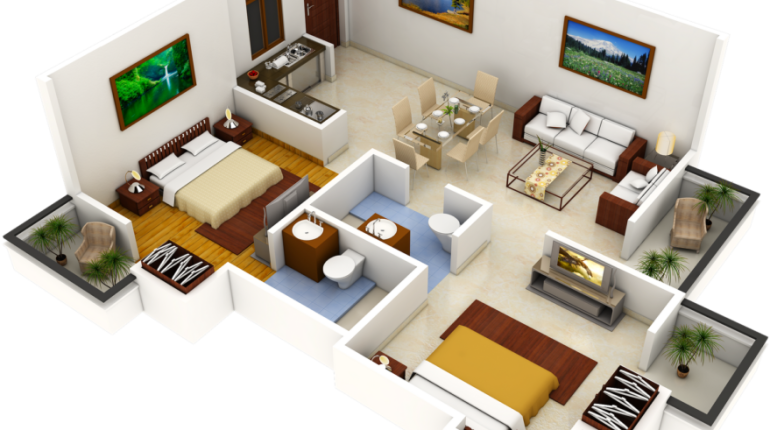
The building design industry is undergoing a transformative shift, driven by advancements in technology and a growing emphasis on sustainability. As we look towards the future, it’s clear that sustainable and smart construction trends are set to redefine the way we design and construct buildings. In this blog, we’ll explore some of the key trends shaping the future of building design.
1. Sustainable Materials and Practices
Sustainability is at the forefront of modern building design. Architects and builders are increasingly turning to eco-friendly materials, such as bamboo, recycled steel, and low-VOC (volatile organic compounds) paints, to reduce the environmental impact of construction. Sustainable practices, such as sourcing materials locally and using energy-efficient manufacturing processes, are also becoming standard.
2. Energy Efficiency
Energy efficiency is a critical component of sustainable building design. The future of building design sees an increased focus on passive solar design, high-performance insulation, and energy-efficient HVAC systems. Buildings are being designed to maximize natural light and ventilation, reducing the need for artificial lighting and air conditioning.
3. Green Roofs and Living Walls
Green roofs and living walls are not only aesthetically pleasing but also offer numerous environmental benefits. They help reduce urban heat islands, improve air quality, and provide natural insulation. As urban areas continue to grow, these green spaces are becoming an essential element of sustainable building design.
4. Smart Building Technology
The integration of smart technology into building design is revolutionizing the way buildings are operated and managed. Smart buildings use IoT (Internet of Things) devices and automation to control lighting, heating, security, and other systems, leading to increased efficiency and reduced energy consumption.
5. Modular and Prefabricated Construction
Modular and prefabricated construction methods are gaining popularity due to their potential to reduce waste, shorten construction timelines, and lower costs. These methods allow for building components to be manufactured off-site and assembled on-site, resulting in more precise construction and less material waste.
6. Adaptive Reuse
Adaptive reuse involves repurposing existing buildings for new uses, rather than demolishing them and starting from scratch. This trend not only preserves historical architecture but also reduces the environmental impact of new construction. It’s a creative and sustainable approach to urban development.
7. Water Conservation
Water conservation is becoming a critical consideration in building design. Rainwater harvesting systems, low-flow fixtures, and water-efficient landscaping are being incorporated into buildings to reduce water usage and promote sustainability.
8. Biophilic Design
Biophilic design, which seeks to connect building occupants more closely to nature, is gaining traction. Incorporating natural elements such as plants, water features, and natural materials into building design can improve well-being, productivity, and air quality.
The future of building design is characterized by a strong emphasis on sustainability and smart technology. As we move forward, it’s essential for architects, builders, and developers to embrace these trends, not only to meet the demands of modern society but also to ensure a healthier and more sustainable future for our planet